
The name Remote Work Union can raise a fair question: if Remote Work Union is not a labor union, why is the word "Union" in the name at all?
The clear answer is simple: Remote Work Union is not a labor union, trade union, or organized-labor body. It is a free community and resource hub for people looking for legitimate remote work, especially remote AI training, AI evaluation, AI annotation, and work-from-home projects that reward judgment, writing, research, and domain knowledge.
In our name, "Union" means unity. It means remote workers coming together around shared information, better resources, and clearer paths into real remote opportunities. It does not mean collective bargaining, dues, formal representation, union elections, strikes, or employer negotiations.
The Clear Answer: Remote Work Union Is a Community, Not a Labor Union
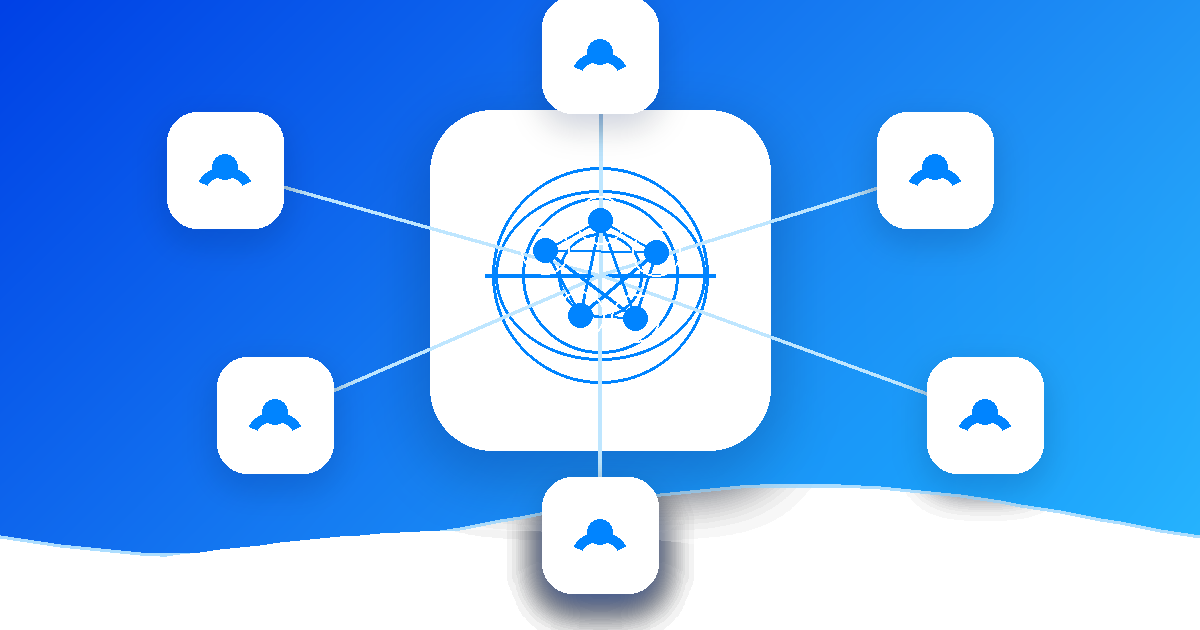
Remote Work Union is called Remote Work Union because it is built around the idea of remote workers coming together. The word "union" is used in the ordinary community sense: a group of people connected by a shared goal.
That shared goal is finding better remote work.
Remote Work Union helps people understand what remote AI work is, where to apply, how to prepare, how to improve their resumes, and how to avoid fake recruiters or pay-to-start scams. It is meant for people who want a clearer way to find remote jobs without sorting through endless job boards, misleading listings, and confusing platform dashboards.
It is not a labor union. It does not negotiate contracts. It does not represent workers in disputes. It does not collect union dues. It does not organize strikes or union elections. It is not affiliated with the AFL-CIO, a labor federation, a trade union, or any organized-labor body.
That distinction matters because people should know exactly what they are using. Remote Work Union is not asking anyone to join a formal organization. It is not asking for fees. It is not claiming to be a worker representative. It is a free guide, community, and connection point for people trying to find legitimate remote work.
Why the Name Can Cause Confusion
The confusion is understandable. In employment, the word "union" often makes people think of a traditional labor union: an organization that represents workers, bargains with employers, negotiates wages, handles grievances, or organizes collective action.
That is not what Remote Work Union does.
Remote work has a different problem. Many people are isolated. They apply alone. They compare platforms alone. They try to figure out whether a remote AI job is legitimate alone. They wonder whether platforms like Handshake AI, Mercor, micro1, and Outlier AI are real, whether AI training work requires coding, whether a dashboard delay means rejection, and whether a recruiter message is safe.
Remote Work Union exists because those people need a shared resource hub. They need plain-language guidance, not another confusing job board. They need help identifying real platforms, improving their applications, understanding AI evaluation work, and applying across multiple places instead of relying on one slow dashboard.
So the name is intentionally about remote workers being less alone. It is about community, not formal labor representation.
What Union Means in Remote Work Union
In Remote Work Union, "Union" means connection.
It means a place where remote workers can learn what is hiring, what skills matter, and how to present their experience for remote AI training and evaluation work. It means people from business, marketing, sales, finance, customer service, social media, writing, research, operations, education, and general professional backgrounds can find a more practical route into remote work.
Most people do not need a coding background to begin exploring this category. Many remote AI projects rely on clear writing, careful reading, fact-checking, ranking outputs, comparing responses, explaining preferences, editing drafts, evaluating accuracy, labeling data, and applying subject-matter judgment. That can make the work relevant to a wide range of professionals, not just engineers.
The "union" idea is also about pooling useful information. One person may know which platform is hiring for writing evaluation. Another may understand how to write a better application. Another may know which red flags suggest a fake recruiter. Remote Work Union organizes that kind of information into a resource hub so more people can benefit from it.
That is the meaning of the name. It is a union of remote workers in the community sense.
What Remote Work Union Does Not Do
To avoid any misunderstanding, Remote Work Union does not perform the functions of a traditional labor union.
Remote Work Union does not engage in collective bargaining. It does not negotiate pay rates, contracts, benefits, project terms, or working conditions with hiring platforms on behalf of members.
Remote Work Union does not represent workers in disputes. If a worker has an issue with a hiring platform, payment account, project manager, or contractor agreement, that platform controls its own process.
Remote Work Union does not organize strikes, labor actions, union elections, or workplace campaigns.
Remote Work Union does not collect union dues or membership fees. The resource is free for workers.
Remote Work Union is not an employer. It does not hire workers directly, issue worker payments, manage contractor accounts, approve projects, or control whether a platform accepts an applicant. Each platform handles its own applications, onboarding, project availability, payment method, payment timing, and contractor management.
This honesty is important. A platform can be real and still not guarantee work. A worker can apply correctly and still wait for a project. Demand can fluctuate by domain, language, location, and client need. Remote Work Union helps people navigate those realities, but it does not control the hiring decision.

What Remote Work Union Actually Helps Workers Do
Remote Work Union focuses on education, curation, and connection.
First, it helps people understand remote AI work. Many applicants hear terms like AI trainer, AI evaluator, AI data annotator, response reviewer, search evaluator, prompt evaluator, or quality rater without knowing what the work actually looks like. Remote Work Union explains these categories in plain language.
Second, it helps people apply to legitimate platforms. The core platforms Remote Work Union highlights include Handshake AI, Mercor, micro1, and Outlier AI. These platforms may offer different kinds of AI training, evaluation, annotation, writing, research, and expert review projects depending on current demand.
Third, it helps workers improve their applications. The free Resume Optimizer is designed to help applicants present relevant skills more clearly. For many remote AI roles, the important keywords are not always exotic technical terms. They can include research, editing, fact-checking, customer service, analysis, marketing, finance, operations, writing, project management, communication, attention to detail, AI outputs, prompt writing, and quality evaluation.
Fourth, Remote Work Union helps people avoid common traps. Legitimate platforms should not charge you to apply, require a payment to unlock jobs, ask for bank details before there is a real onboarding process, or force the entire relationship through a messaging app with no credible company identity. Remote AI work is a real category, but the demand for work-from-home jobs also attracts scams. A free resource hub can help people separate real opportunities from suspicious ones.

Remote Work Union connects you to legitimate remote AI training and evaluation roles across multiple platforms. Apply for free.
Find Roles Hiring Now →Why This Distinction Benefits Remote Workers
Remote Work Union not being a labor union is not a weakness. For the reader, it can actually make the resource easier to use.
There is no formal membership barrier. You do not need to pay dues, attend meetings, participate in union politics, or sign a representation card. You can use the resources, read the guides, improve your resume, join the newsletter, and apply to platforms without treating it like a formal organization.
There is also no promise that Remote Work Union controls outcomes. That may sound less exciting than a guarantee, but it is more honest. Remote AI work is project-based. Pay can vary by platform, domain, experience, language, and availability. Expert-tier work may reach roughly $50–$200/hr depending on the project and qualifications, while general annotation or evaluation work commonly sits closer to the $20–$40/hr range. Those are opportunities, not guarantees.
The value of Remote Work Union is that it gives people a better process. Instead of applying randomly, users can learn what the work is, improve their application materials, understand platform differences, and apply across multiple legitimate options so one slow platform does not stall their entire search.
How Remote Work Union Connects People to Remote AI Work
Remote AI work keeps growing because major AI companies and AI labs need better data, better evaluation, and better human judgment. Tools connected to companies and ecosystems such as OpenAI, Anthropic, Google, Meta, and Grok depend on people evaluating whether AI outputs are accurate, useful, safe, well-written, and aligned with instructions.
That creates a wide range of remote work categories. Some projects need writers. Some need researchers. Some need business professionals. Some need finance knowledge, marketing judgment, sales experience, customer support expertise, coding ability, language fluency, or subject-matter knowledge. Many projects do not require coding at all.
Remote Work Union points workers toward platforms where this kind of work may appear, including Handshake AI, Mercor, micro1, and Outlier AI. It also encourages applicants to think broadly about their own background. A customer support worker may be useful for evaluating service conversations. A marketer may be useful for reviewing ad copy or brand tone. A finance professional may be useful for checking reasoning in business or investing tasks. A writer may be useful for editing, ranking, and improving model responses.
The goal is not to tell everyone they are guaranteed a high-paying remote job. The goal is to help people understand where their existing skills may fit in the AI training economy.

How to Use Remote Work Union the Right Way
The best way to use Remote Work Union is to treat it as a practical starting point.
Start by learning what remote AI training and evaluation work actually involves. Do not apply blindly to every remote job with the word AI in it. Read the requirements, understand the task type, and think about which parts of your background match the project.
Next, improve your resume for remote AI work. A traditional resume may not highlight the details these platforms care about. If you have experience writing, editing, researching, reviewing customer conversations, managing projects, analyzing spreadsheets, creating content, handling operations, or using AI tools, make those skills visible.
Then apply across multiple legitimate platforms. Remote Work Union commonly points readers to Handshake AI, Mercor, micro1, and Outlier AI because one platform may be slow while another has active projects. Project-based work can be uneven, so relying on only one dashboard is risky.
Finally, stay realistic. Remote AI work can be legitimate, flexible, and well-paid for the right background, but it is not automatic income. Platforms can pause projects, reject applicants, delay onboarding, or limit availability. The strongest approach is to keep improving your materials, apply widely, watch for new campaigns, and avoid anything that asks you to pay to start.
Frequently Asked Questions
Is Remote Work Union a labor union?
No. Remote Work Union is not a labor union, trade union, or organized-labor body. It is a free community and resource hub for people looking for legitimate remote work.
Why is it called Remote Work Union then?
The word "Union" is used in the community sense. It means remote workers coming together around shared resources, education, job alerts, resume help, and legitimate remote work opportunities.
Does Remote Work Union collect dues?
No. Remote Work Union does not collect union dues or membership fees. It is free for workers to use.
Does Remote Work Union hire people directly?
No. Remote Work Union is not an employer. Platforms such as Handshake AI, Mercor, micro1, and Outlier AI handle their own applications, hiring decisions, projects, and payments.
Can Remote Work Union guarantee I will get remote AI work?
No. No honest resource can guarantee project-based remote work. RWU can help you understand the category, improve your resume, find legitimate platforms, and apply more strategically, but each platform controls its own hiring and project availability.